Institution
The Band
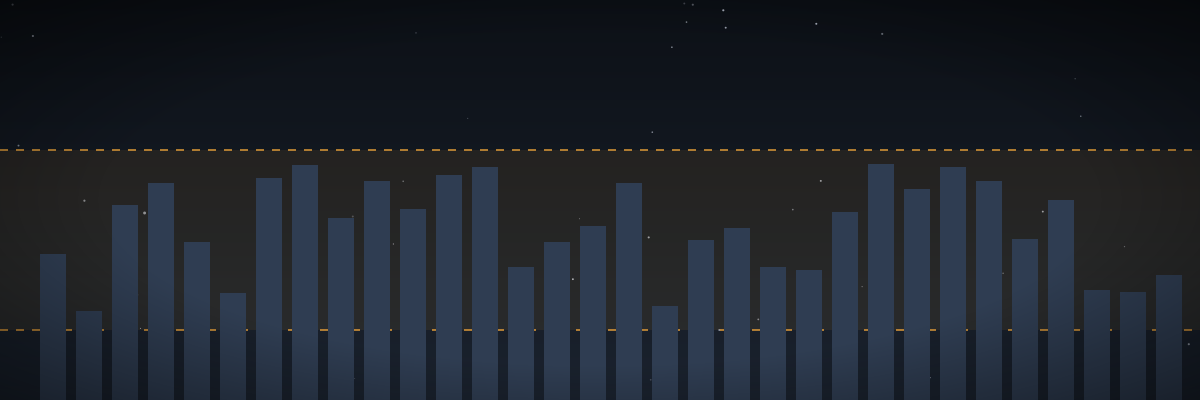
Constitutional limit on the ratio of top wealth to the median.
Read more in Economy
Settlement polities hold wealth inequality within a range written into the constitution and measured as the ratio of the richest households' wealth to the median — called the Band. No vote can widen it.
- How it is enforced. Wealth and land taxes; time limits on inherited property (the Rotation Laws); public charges on resources and licensed bulk compute; sales of power from the state-owned array; and a Vault dividend: royalties and licence fees on the designs of the Settlement's four publicly owned Vaults, which largely pay for the floor. Mirror designs are never published, so they earn none of it. Because the floor is entrenched, so is the dividend: no Chamber can divert it. Who sets the Vaults' questions, and so which designs earn it, is settled by a majority of the Settlement's Chambers, and the Mirror Race has made that queue a weapon (see The Mirror Race).
- Capital flight. Hold the Band tight and wealth leaves for the Open Cities, the Parishad, the Belt or charter worlds — along with people seeking longer lives. The Ore Secession of 2441–2449 was, at heart, a tax revolt by the rich frontier, sharpened by fear that mirror power would soon undercut the Belt's fuel monopoly. Rules on moving assets between the blocs and the Belt Republic are a running quarrel, fought out in the Anchorage, the council where all six members sit, though the Accord gives it no power over money. The Band itself cannot move, so when wealth starts to flee, the Vaults propose laws to stop it. Laws that simply restrict how much citizens may accumulate rarely win a vote; the ones that pass usually push the cost outward — trade rules, asset seizures and licence bans that bleed the Open Cities. The equality test in Vault screening applies only inside the Settlement.
- Gulf money. When oil lost its value and the Gulf emptied, its sovereign wealth emigrated rather than vanished. Much of it now owns property in the Open Cities and the Belt: the Gulf states' lands joined the Parishad, but their fortunes survived as portfolios.